

Keynotes
Speaking
In 2019 I stood on a stage in Southern Africa’s final of the Toastmasters championship with a speech about a chicken crossing the road, and I won. A decade of Toastmasters taught me that speaking is thinking made audible. Today I keynote on Reinvention, AI adoption and the AI-first journey, and I teach teams and leaders to communicate clearly, through talks, facilitation, and hands-on courses under my own name.
Forty-five minutes that your people are still arguing about at lunch
A keynote earns its place by changing what the room does next. Every talk below is built after a conversation about what your people are actually facing, and every one of them comes out of work I have done rather than a trend I have read about.
What the room says
“It’s not often that I feel challenged while still being able to hold space for meaningful discussion with clarity and understanding.”
Programme participant, MTN Group · Executive Presence, May 2026
Keynotes
What I speak about

Personal & corporate reinvention
Leading through disruption and change, reinvention stories, and why incumbents fail.
Keynote

AI adoption in real organisations
Competence before platform. What actually makes AI stick, drawn from coaching inside a large insurer.
Keynote · Workshop

Rebuilding a firm in public: the wins, the mess, and the numbers. The talk version of the documented journey.
Keynote
Storytelling as a leadership skill
From a decade of stages: how leaders earn attention and keep it.
Keynote · Masterclass
Case studies
How it actually went
Four rooms, with the numbers. No composite examples and no client logos: the organisations are described rather than named, because most of this work reaches them through a training partner.
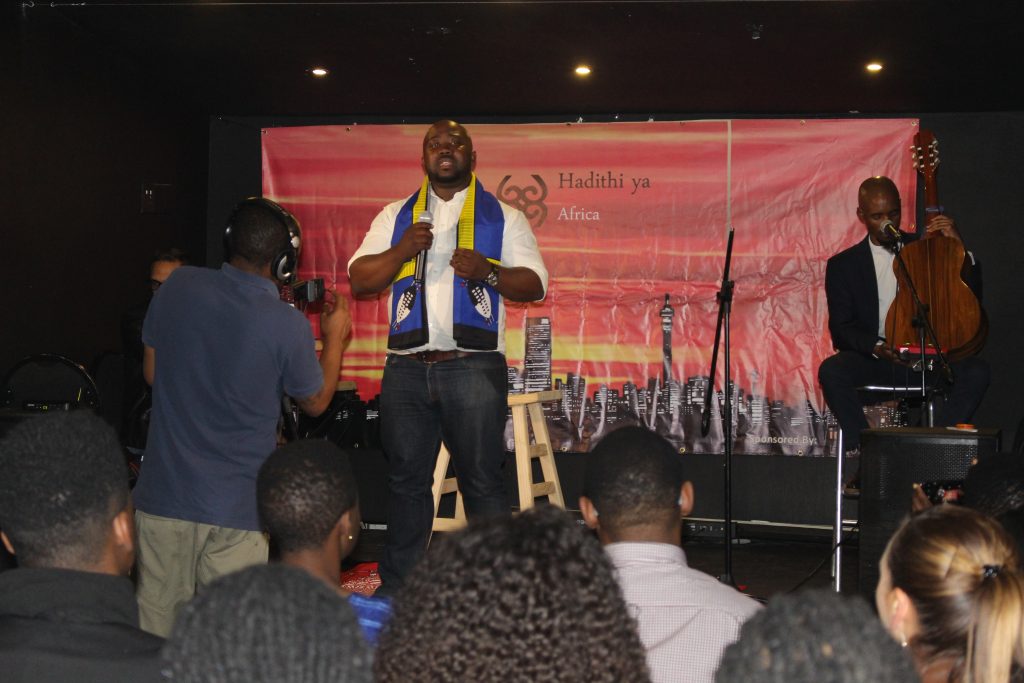
A reception that opened 30 minutes late
September 2026. A hard stop that could not move, and an elder’s programme that had already started eating the buffer.
What changed. The running order. Welcome, grace and the walk ran before lunch. Every speech moved to after the meal. The room ate on time and the event finished on time.
The numbers. 103 minutes of speeches, 22 laughs, five of them big. The elders ran to twice their slot and were allowed to, because the plan had somewhere to take it from. Six craft lessons went into the next runbook the same week.
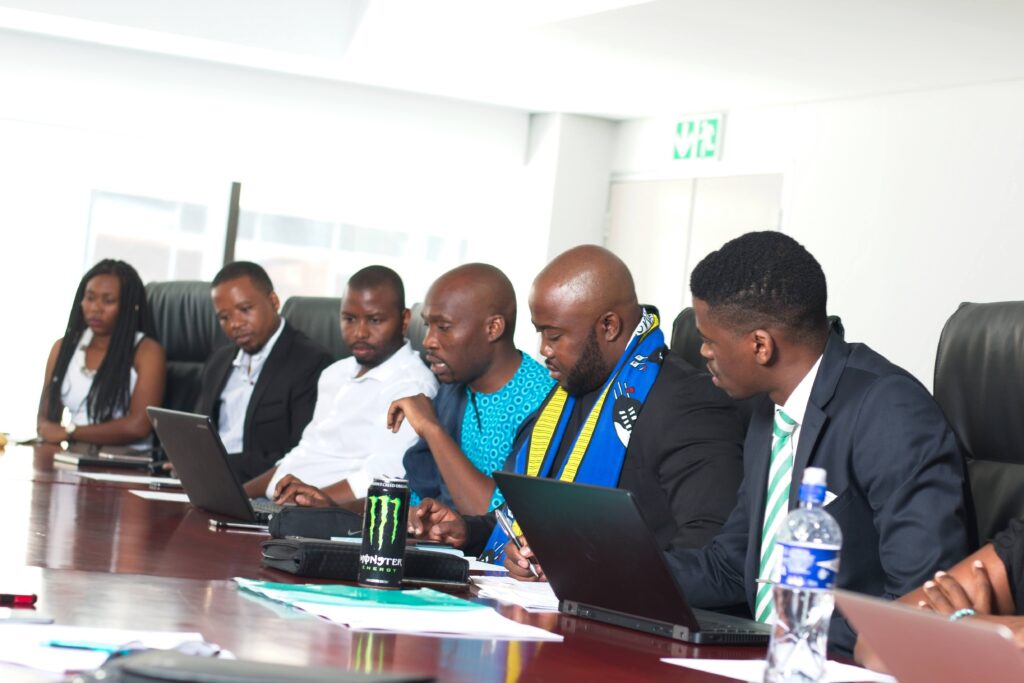
A large insurer, from never-touched-AI to real work
Microsoft 365 Copilot adoption, cohort after cohort, running since June 2026. I am the AI Coach in a five-facilitator team.
What we did differently. Competence before platform. People bring their own real tasks into the session rather than practising on a worked example that belongs to nobody.
What it proves. The adoption keynote is not a survey of what other companies did. It is a report from inside a programme that is still running.

A government IT programme at handover
About 30 people across three districts, mixed seniority, at the point where a project becomes a support phase and nobody is sure who they call when something breaks.
How the day was built. People went into their real district teams rather than being shuffled, because those are the teams that have to work afterwards. The debrief asked one question: who calls whom when something breaks.
What the client got. A team-building day and the written lessons record the project close-out needed anyway, out of the same twenty minutes.
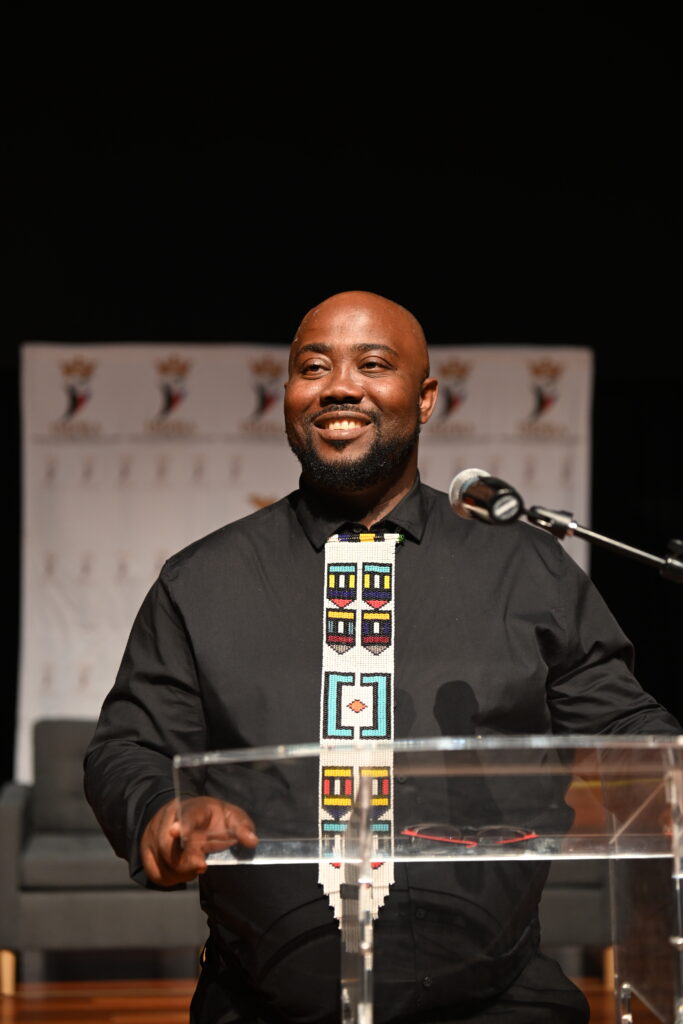
Corporate cohorts, through a training partner
Executive presence and sales-excellence programmes delivered into corporate cohorts through a training partner, repeatedly, with written per-delegate feedback going back to the programme owner after each one.
Why that matters. Repeat bookings through a partner are the least sentimental review there is. They do not rebook a facilitator their client did not rate.
The receipts
Where the craft was earned
2019. Southern Africa final of the Toastmasters championship, with a speech about a chicken crossing the road. I won it. A decade of Toastmasters before that.
Every event, recorded. I record what I host, map where the room actually laughed, and write the lessons into the next runbook. That is why the numbers above exist at all.
Two books behind the work. The Facilitator’s Book of Gimmicks, which is the exercise bank, and It’s True, I Looked It Up, which fact-checks 201 studies and 76 myths that get repeated in training rooms.
Both books feed the facilitators’ page, three times a week, free and in full.
The rest of it
Not a keynote?
Master of ceremonies
Weddings and corporate events, with a timed production plan and three versions of the running order.
Facilitator
Team building and hands-on courses, built around work the room already has to do.
Author
Two books for people who run rooms, published free three times a week.
Bring me the date and the room
Thirty minutes is enough to tell me the date, the room, and what you need people to walk out believing.